EYOWO
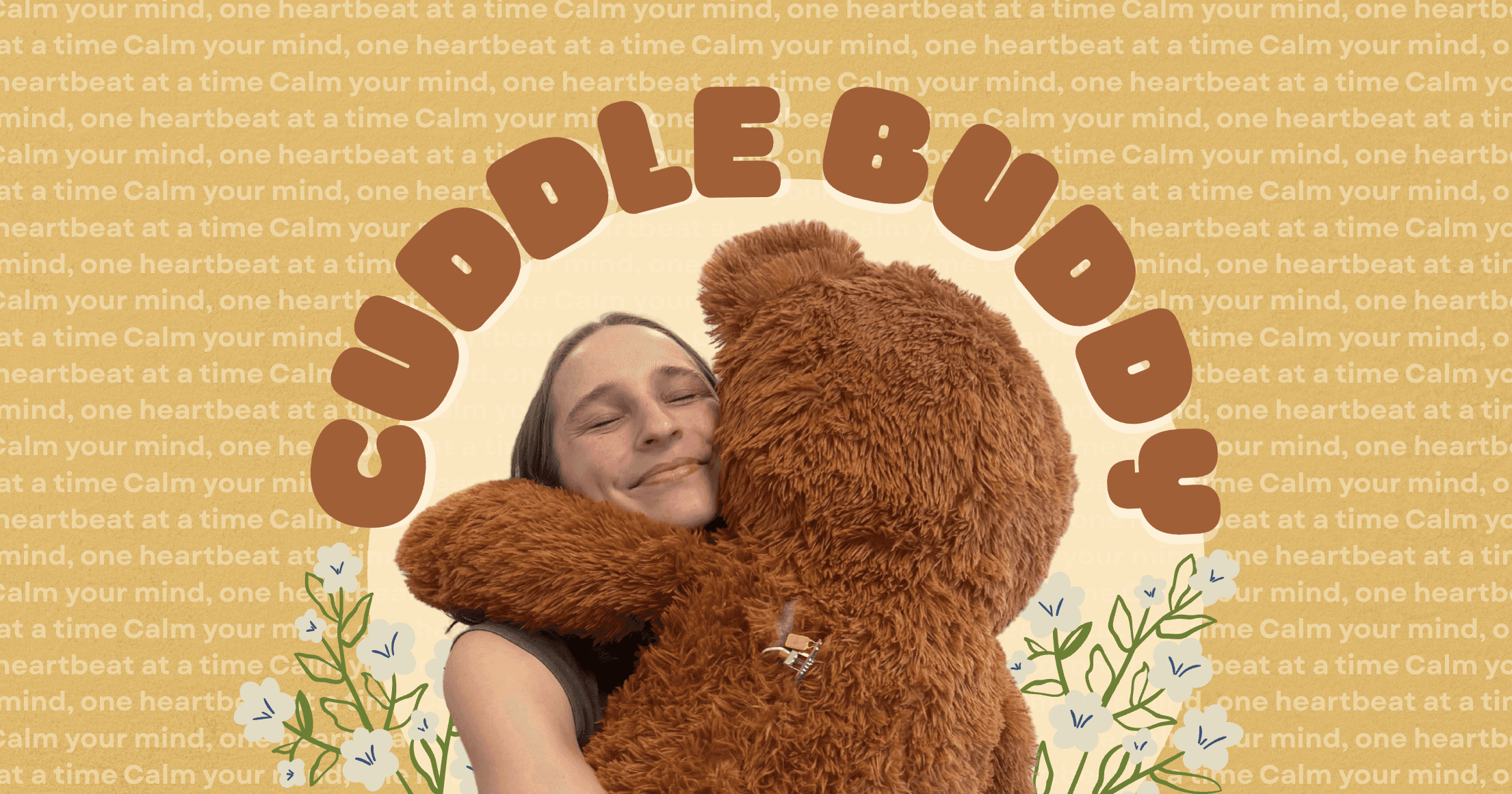
Cuddle Buddy
EYOWO
A soft, huggable teddy bear that delivers a solution for loneliness through heartbeat haptics
Human-Centred Design
Physical Computing
User Research + Testing
Research-Led Design
Interaction Design
OVERVIEW
My Role
Interaction Desinger & Developer, User Researcher & Tester
Deliverables
Research, Prototyes, Testing Results, Final Product
Tools
Purpose
Cuddle Buddy was inspired by witnessing a roommate navigate the emotional weight of a breakup and the quiet loneliness that followed.
Observing how deeply physical absence can amplify heartbreak revealed a gap in how we design for emotional connection, particularly during moments of vulnerability. While digital tools enable communication, they rarely replicate the calming reassurance of physical presence.
Design Focus:
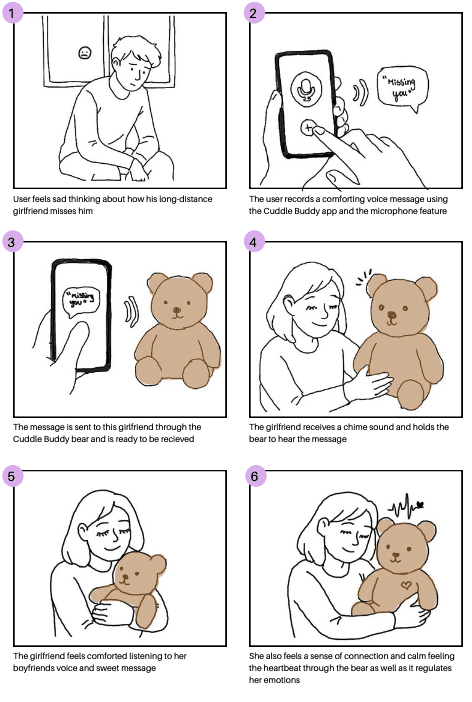
Exploring how tangible interaction, haptic heartbeat feedback, and personalised voice messages can support emotional regulation and recreate a sense of closeness in long-distance or emotionally difficult situations.
Problem
& Opportunity
Digital communication tools (messages, calls, chat) support connection but often fail to provide emotional presence- the feeling of being felt rather than just seen or heard.
People deeply value physical closeness, especially during stress, but there are limited options for translating that into daily interactions when apart.
Why this matters?
Messaging apps and video calls help people stay in touch, but they often fail to provide emotional presence. Users described feeling connected online, yet emotionally disconnected during moments of stress, loneliness, or before sleep. This project explores how physical interaction can bridge that emotional gap.Emotional wellbeing is closely tied to physical cues like touch, rhythm, and warmth. In vulnerable moments, users don’t want another screen- they want something comforting, familiar, and human.
Research & Early Insights
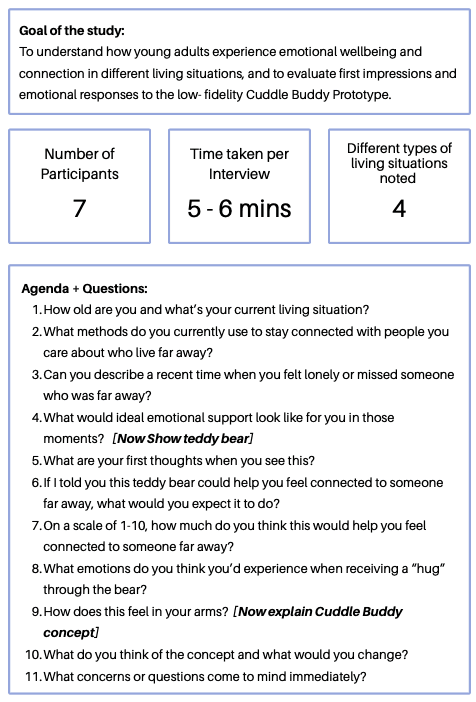
Semi-structured interviews, prototyping play tests, and observation of user interaction showed that:
Users gravitate toward natural, intuitive interaction rather than mechanical or complex gestures.
Simple rhythmic feedback (heartbeat) evokes comfort and safety.
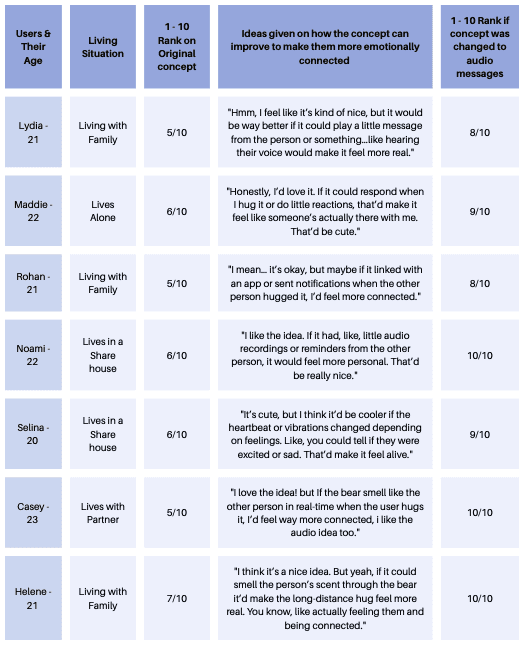
Personalisation- especially voice- increases attachment and emotional resonance.
Article summaries I've written:
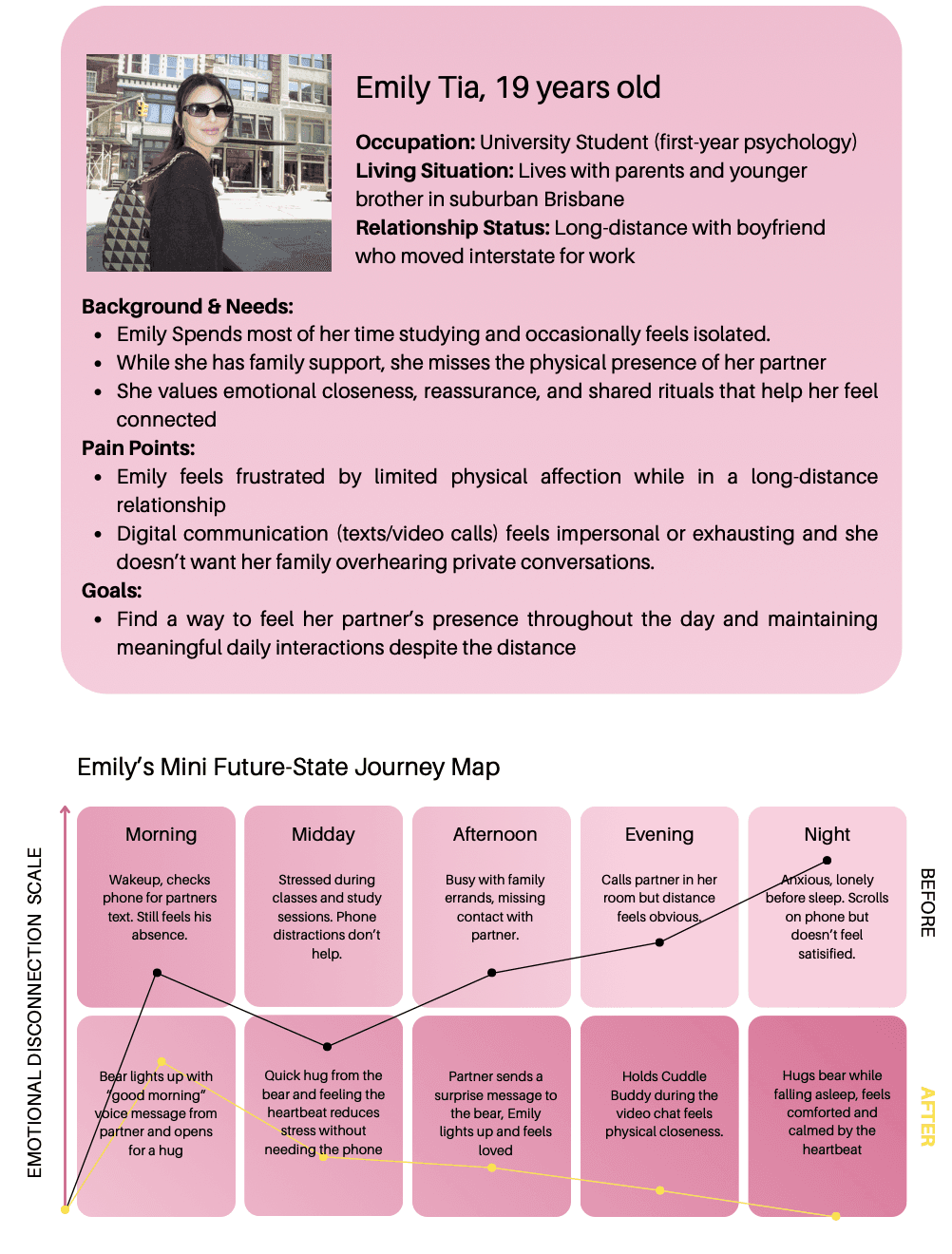
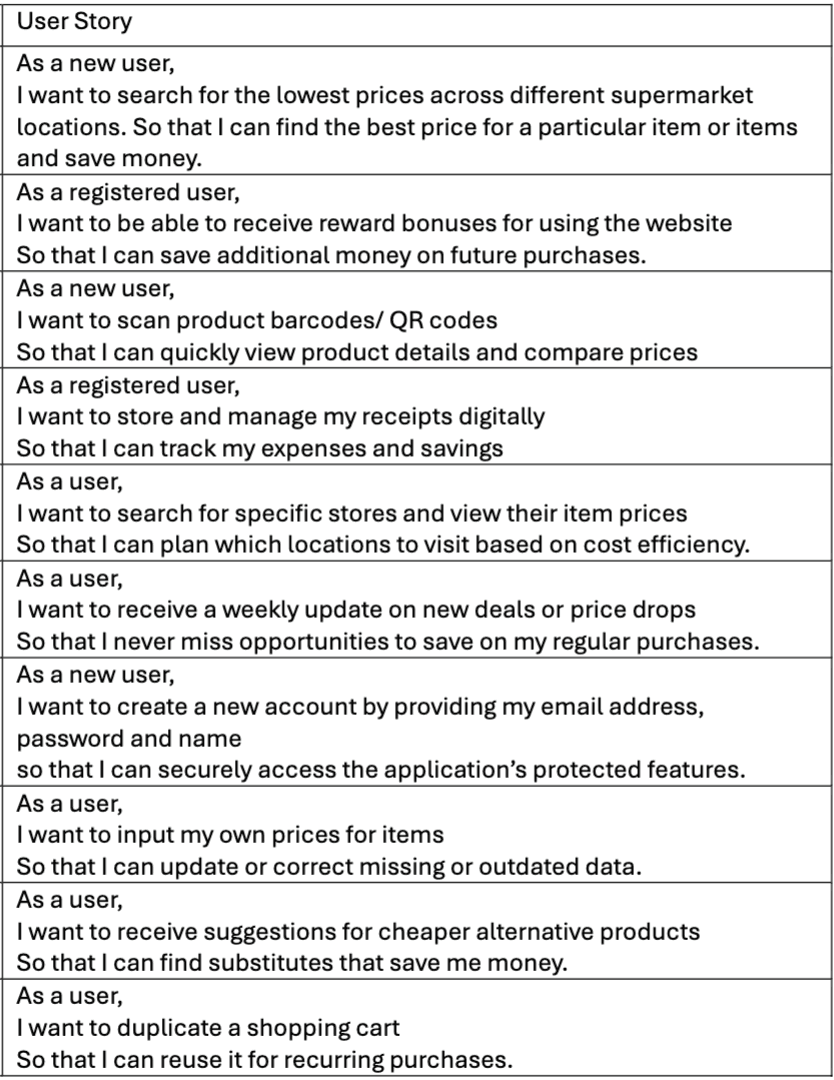
User Stories & Future Journey Mapping:
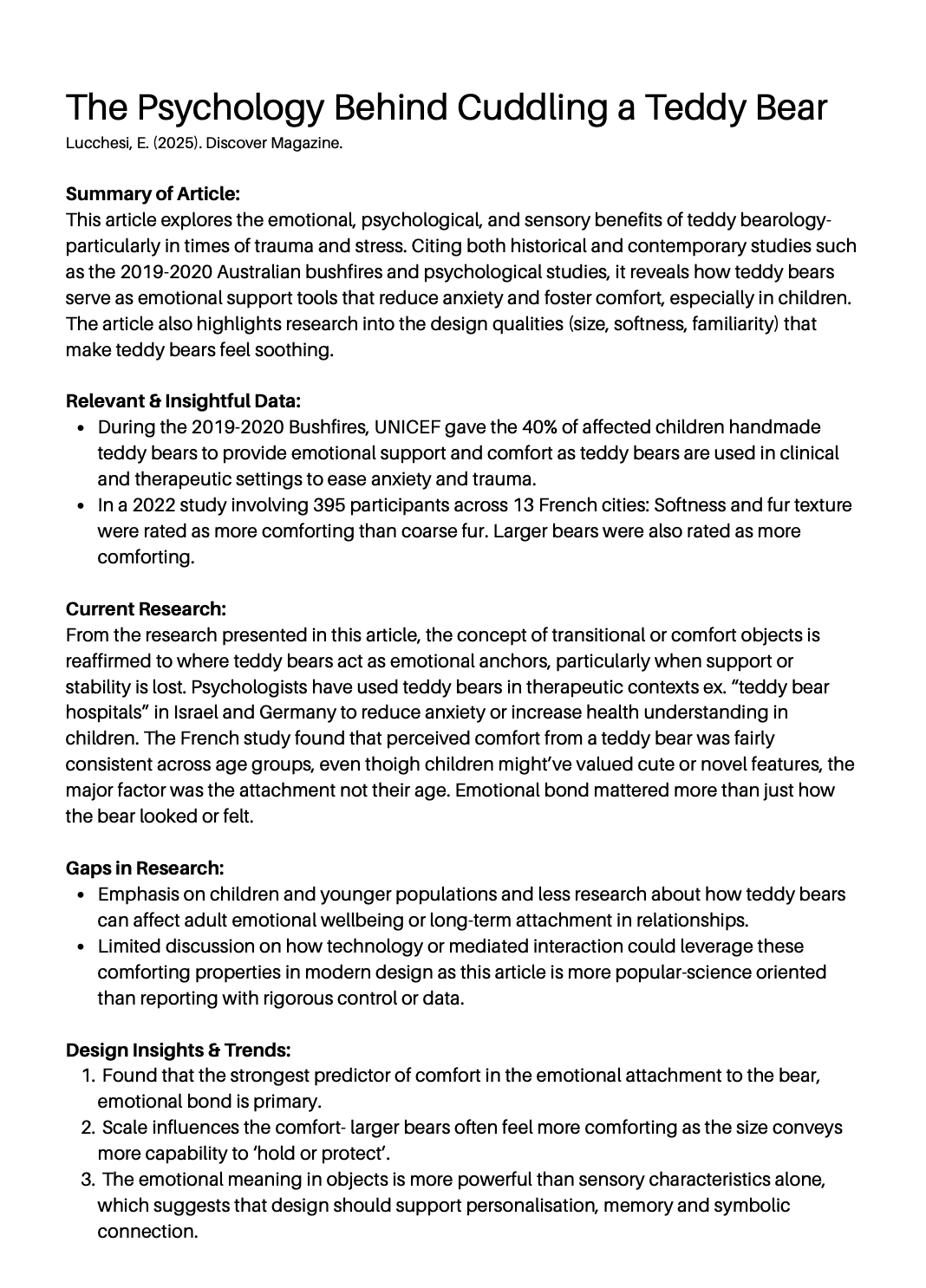
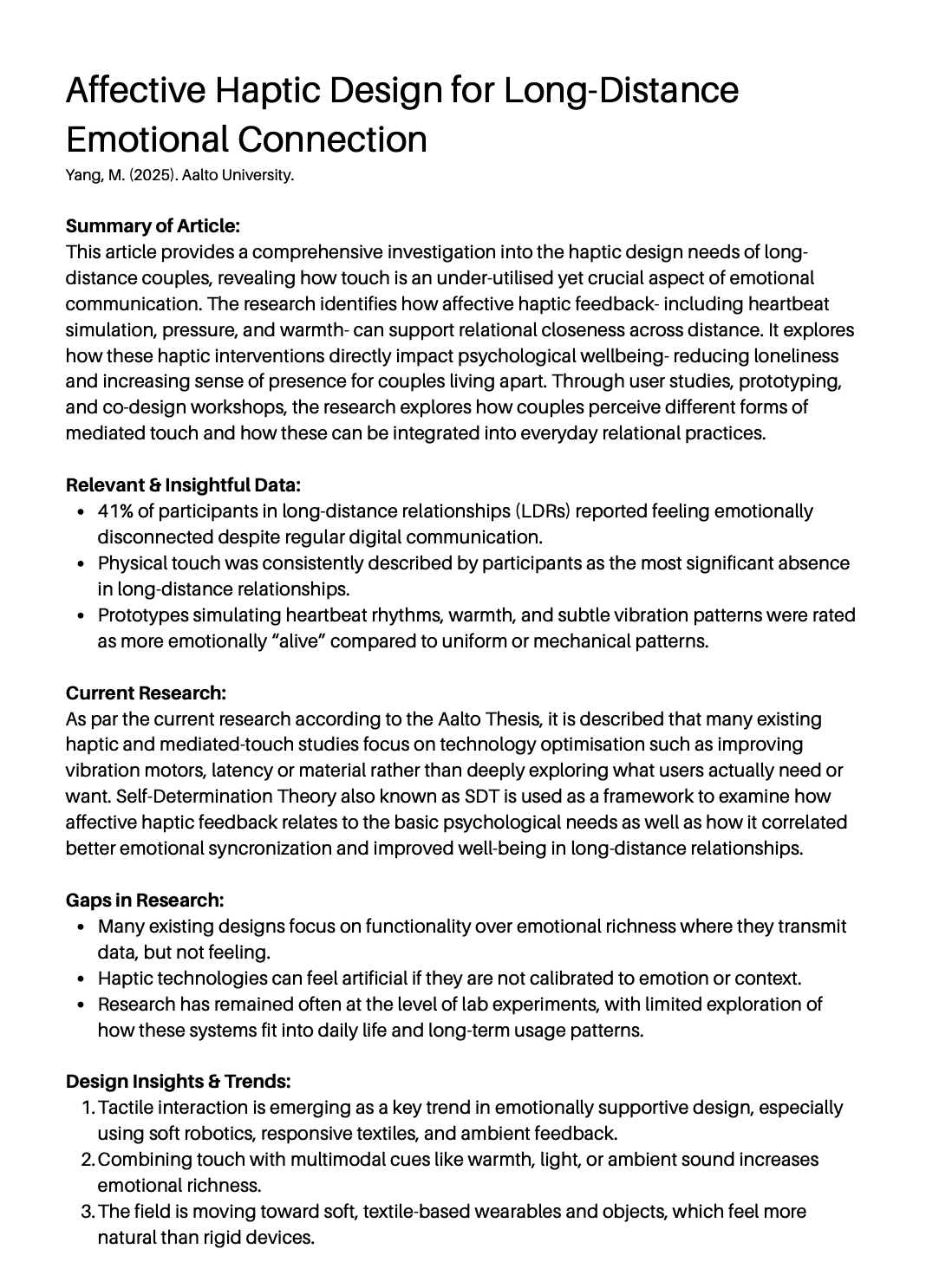
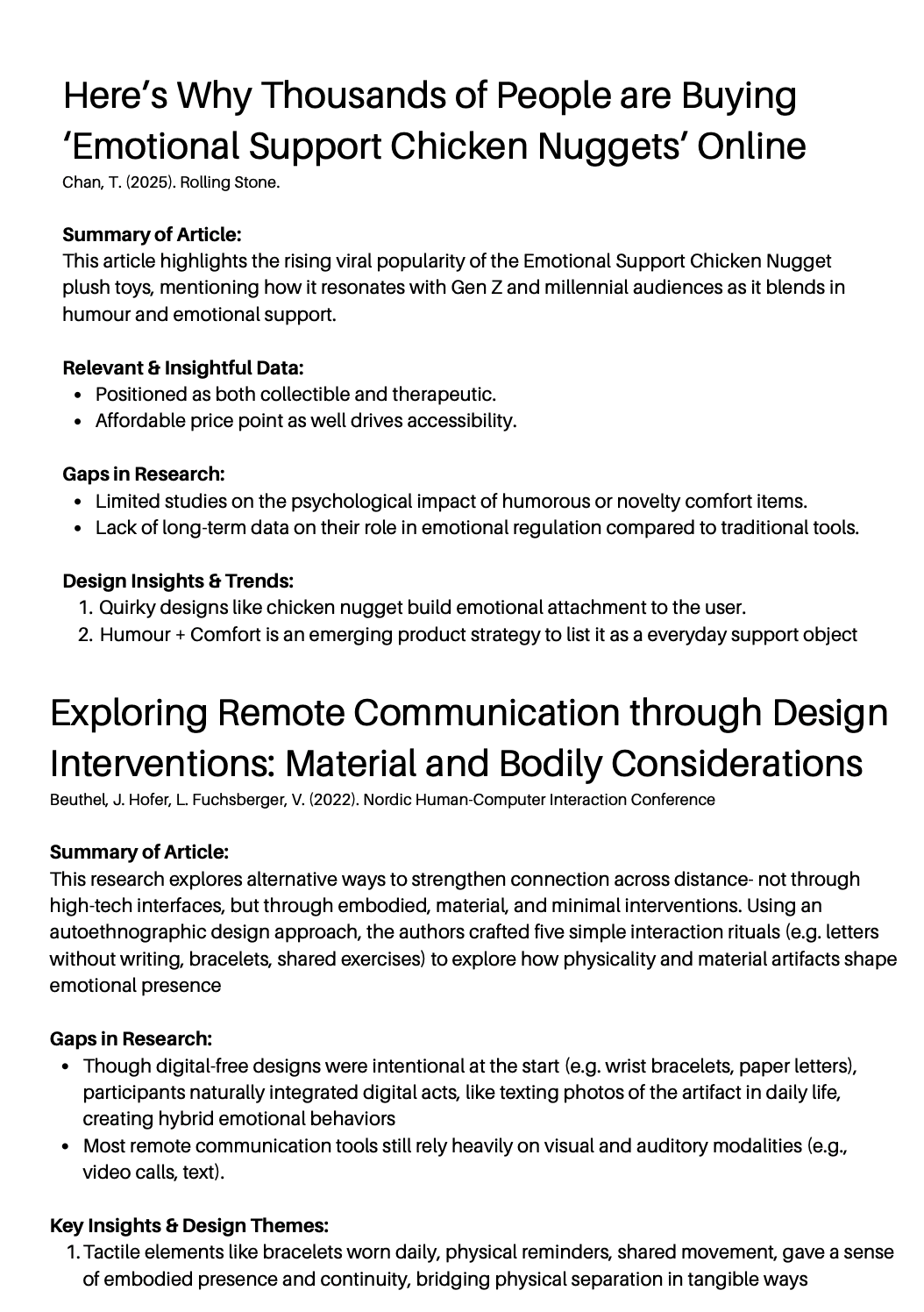
Research into affective haptics, comfort objects, and emotional regulation revealed key insights that shaped the direction of the design:
Physical touch plays a major role in emotional reassurance
Rhythmic sensations like heartbeats are associated with calm and safety
Personalisation increases emotional attachment
Simplicity matters more than novelty
Two primary user groups emerged:
Long-distance partners seeking emotional closeness during moments of stress or before sleep.
Individuals seeking emotional regulation, such as students or young professionals experiencing anxiety or loneliness.
Early Ideation
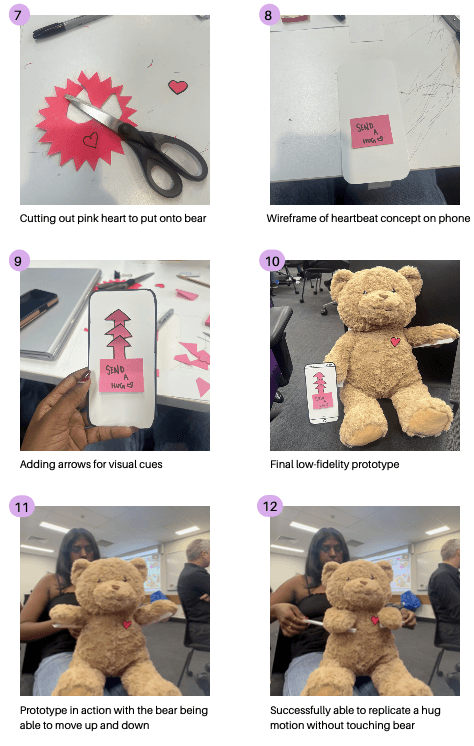
Early ideation explored how physical affection could be translated into an interactive object through movement and tactile feedback.
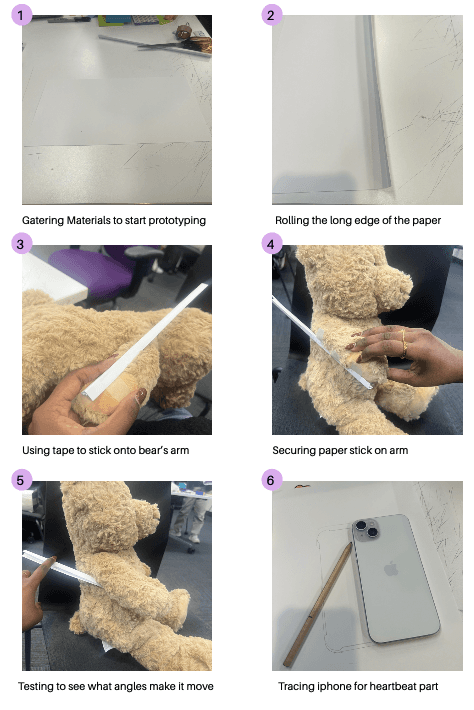
Low-fi prototypes tested haptic responses and the feel of hugging the object. Participants were observed interacting without instructions- most instinctively evaluated comfort by touch and rhythm rather than squeezing or angling.
Storyboard:
Low-Fidelity Prototypes:
User Testing Round 1:
Design Pivot
Early sketches explored concepts such as moving arms or physical gestures. However, testing revealed that:
Mechanical movement felt distracting or uncanny
Users responded more positively to passive, familiar sensations
This led to a pivot toward heartbeat haptics + voice, emphasising emotional subtlety over motion.
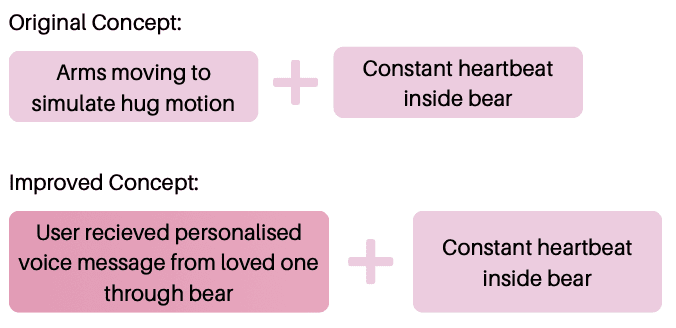
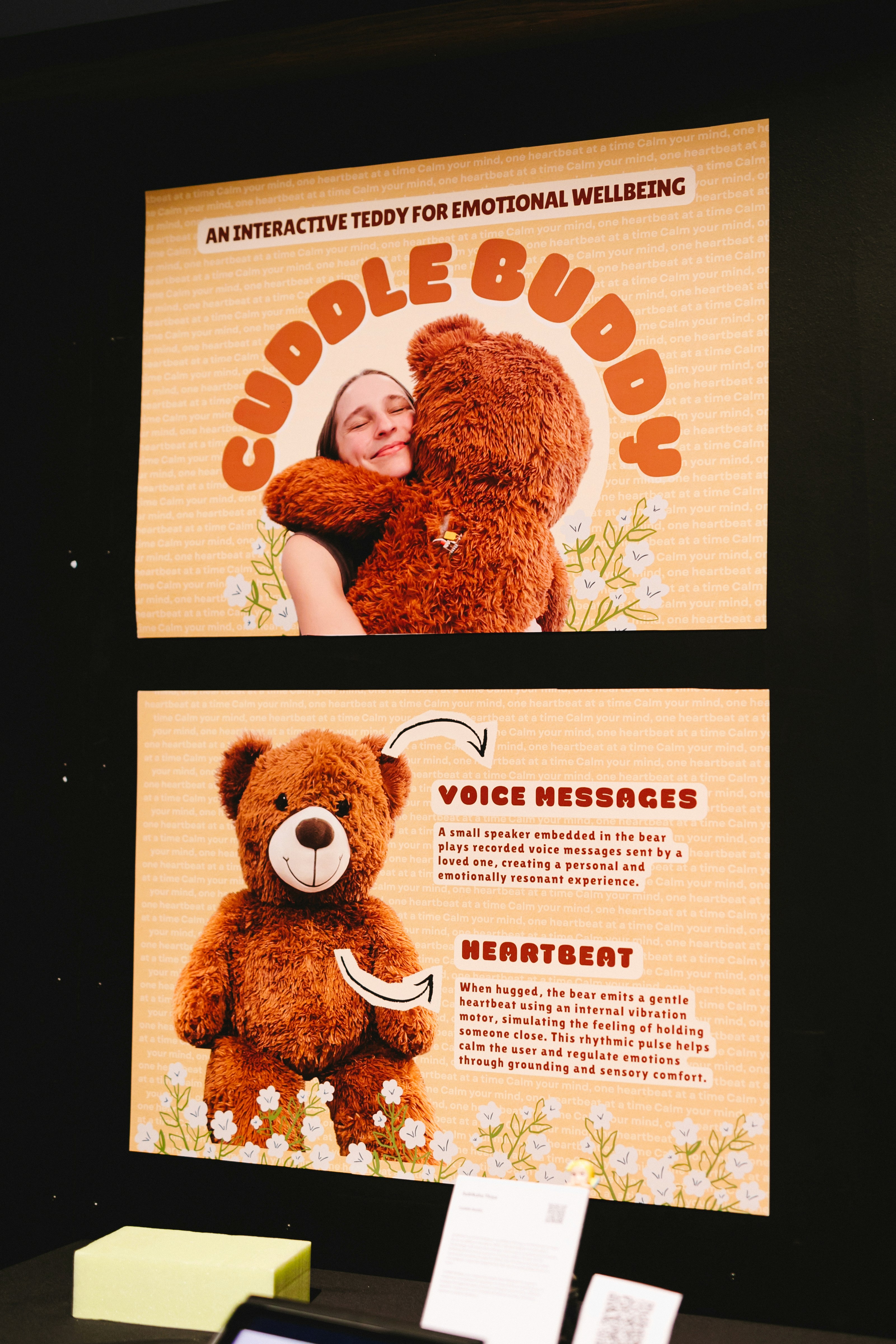
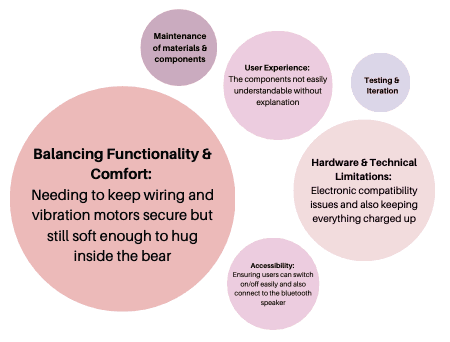
The final prototype integrates a vibration motor to simulate a heartbeat and an embedded speaker for personalised voice messages.Interaction is intentionally minimal to preserve emotional focus.
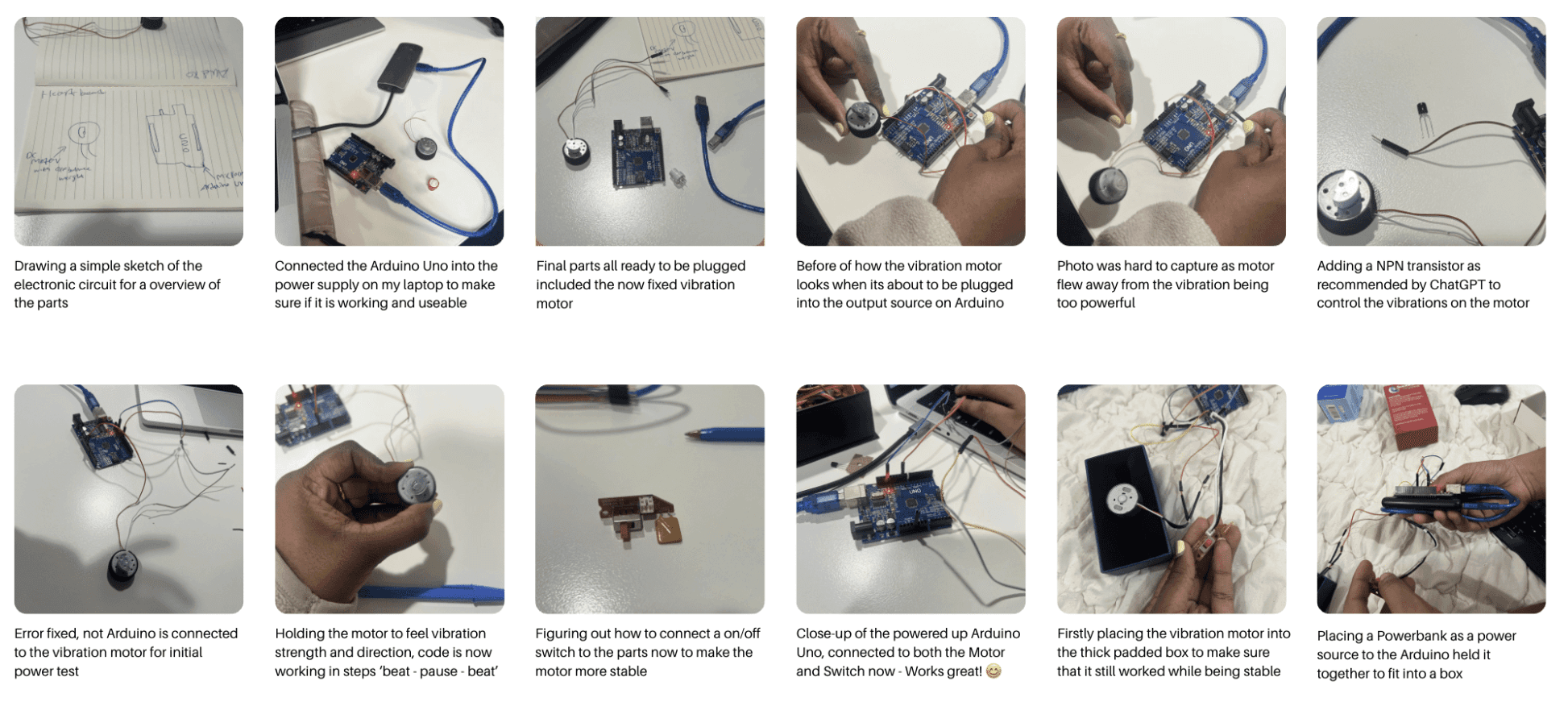
To validate the concept, a working physical prototype was developed using simple hardware components.
The focus was not technical complexity, but ensuring the interaction felt reliable, safe, and emotionally consistent.
Technical Development & Prototype
The final prototype integrates:
A gentle vibration motor to simulate heartbeat
An embedded speaker for personalised voice playback
Soft textile shell prioritising comfort and weight
Final User Testing & Evaluation Report:
https://www.behance.net/gallery/242443893/Cuddle-Buddy-User-Testing-Report
Published Project & Demo Video:
https://interaction.2025.qutdesignfestival.com.au/projects/cuddle-buddy-interactive-teddy-bear/
Userability Testing & Evaluation
Testing was conducted in two phases:
In-person evaluative sessions — users interacted naturally with the prototype.
24-hour take-home study — participants integrated the design into routine.
Participants reported:
Sustained feelings of calm
Comfort without instruction
Habit formation around interaction
The evaluation confirmed that heartbeat + voice > motion in terms of emotional impact and user comfort.
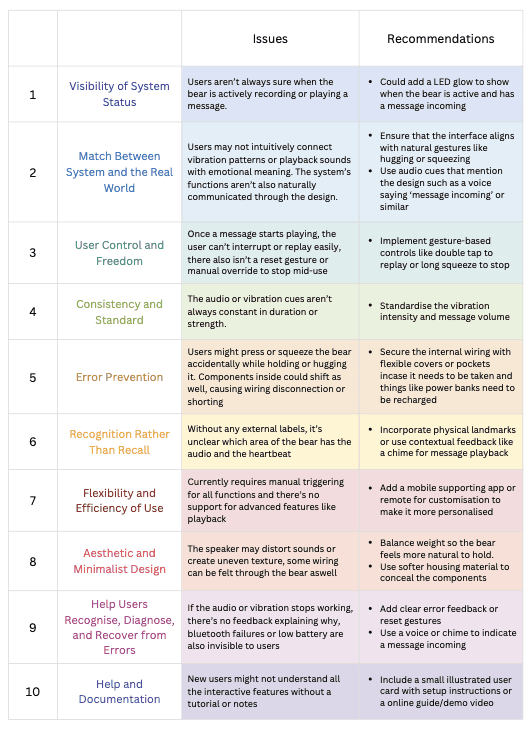
Usability & Heuristics Evaluation:
View Project
Reflection:
Designing Cuddle Buddy reshaped how I approach emotional and interaction design. Early in the process, I assumed that more explicit, expressive features would create stronger emotional impact. Through user testing, I learned that this wasn’t the case- participants consistently responded more positively to subtle, familiar, and passive interactions that felt emotionally grounding. This insight led me to pivot away from a mechanically expressive concept and instead focus on heartbeat haptics and voice playback, prioritising emotional resonance over visual novelty.
This project also strengthened my ability to make evidence-led decisions and design within real-world constraints. Working with physical prototyping pushed me to consider factors beyond the screen, including comfort, safety, materiality, and long-term use. Overall, Cuddle Buddy reinforced the importance of restraint, empathy, and reflection in designing for emotional wellbeing, and helped me grow as a designer who values clarity, adaptability, and human-centred outcomes.
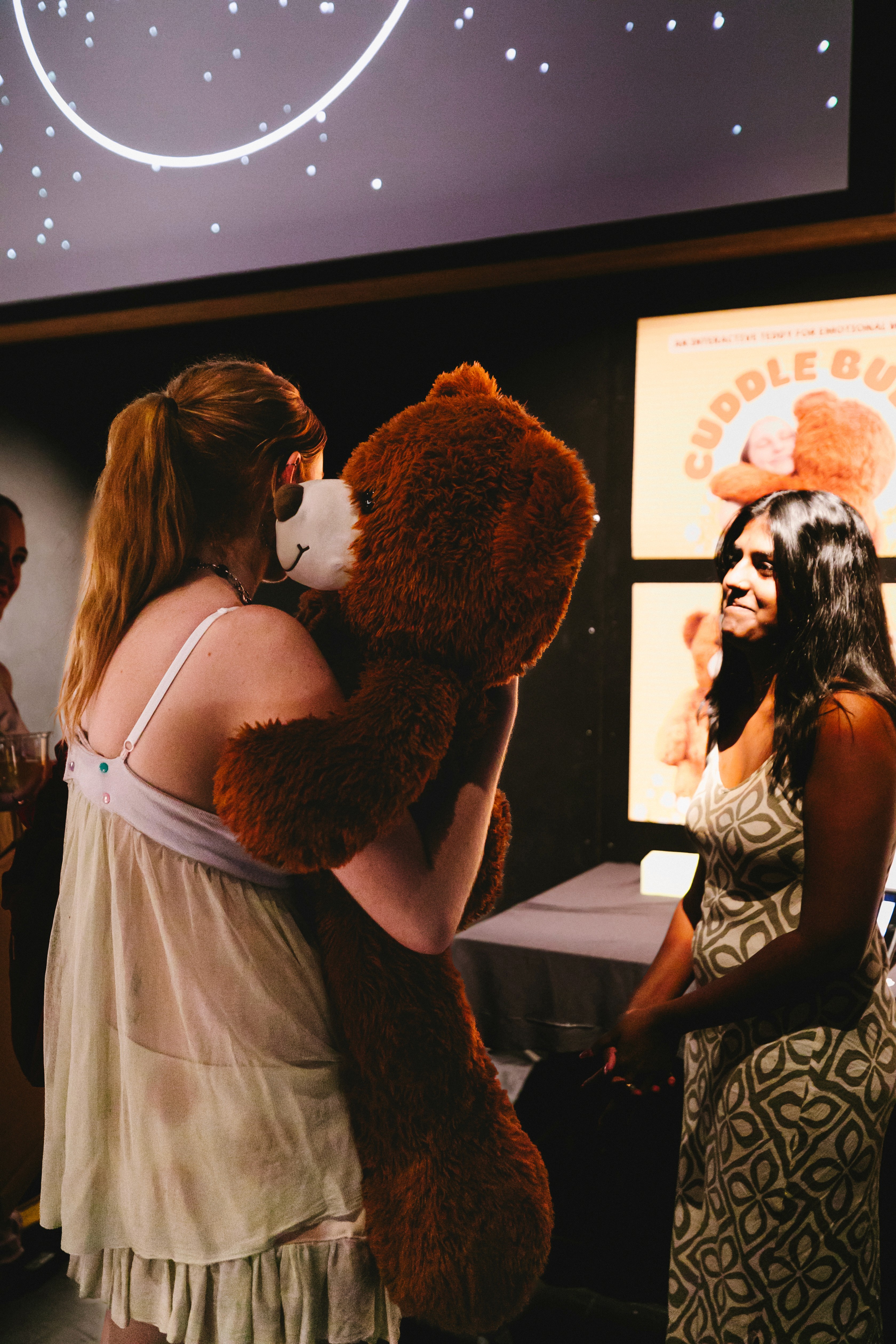
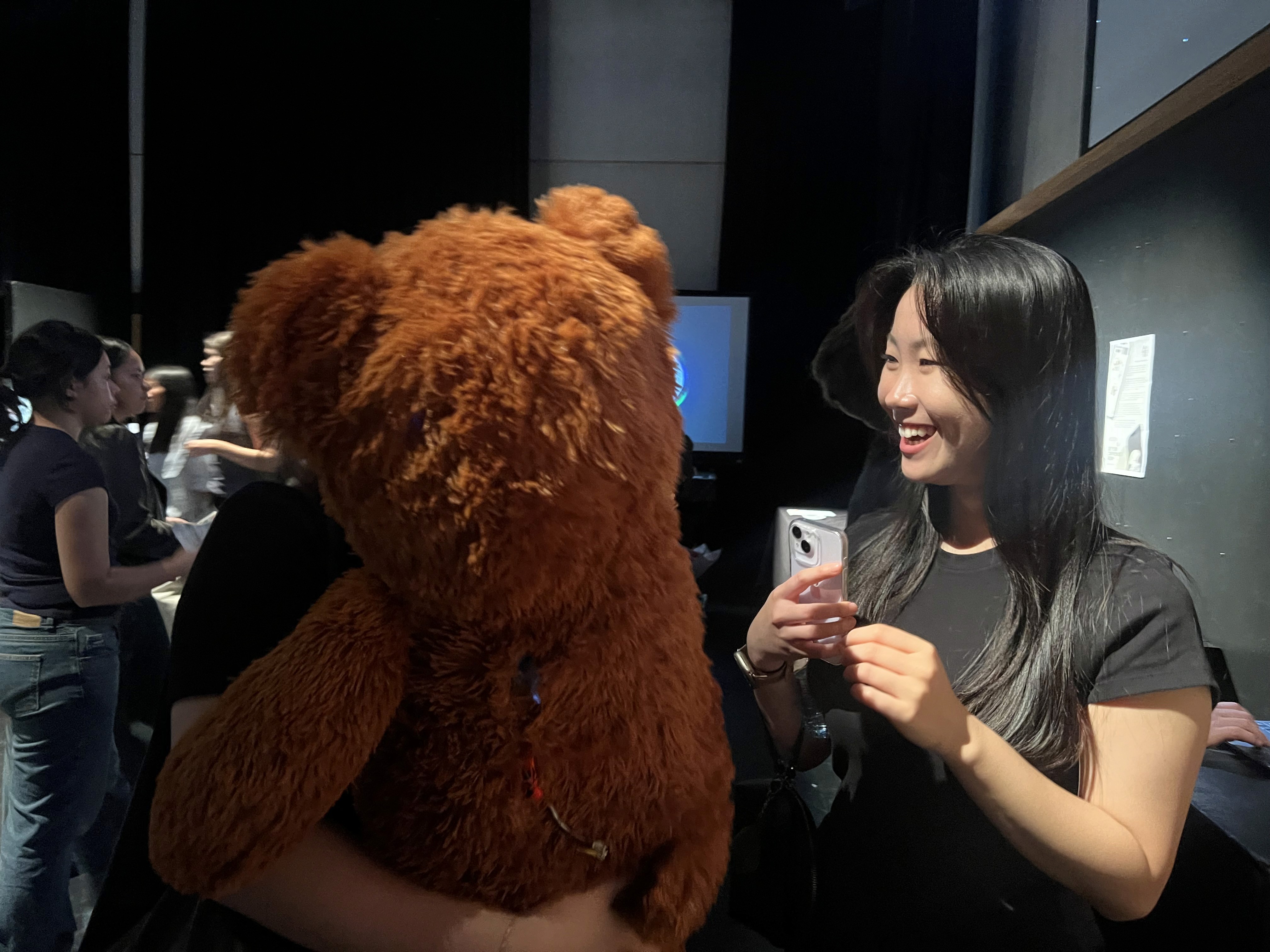
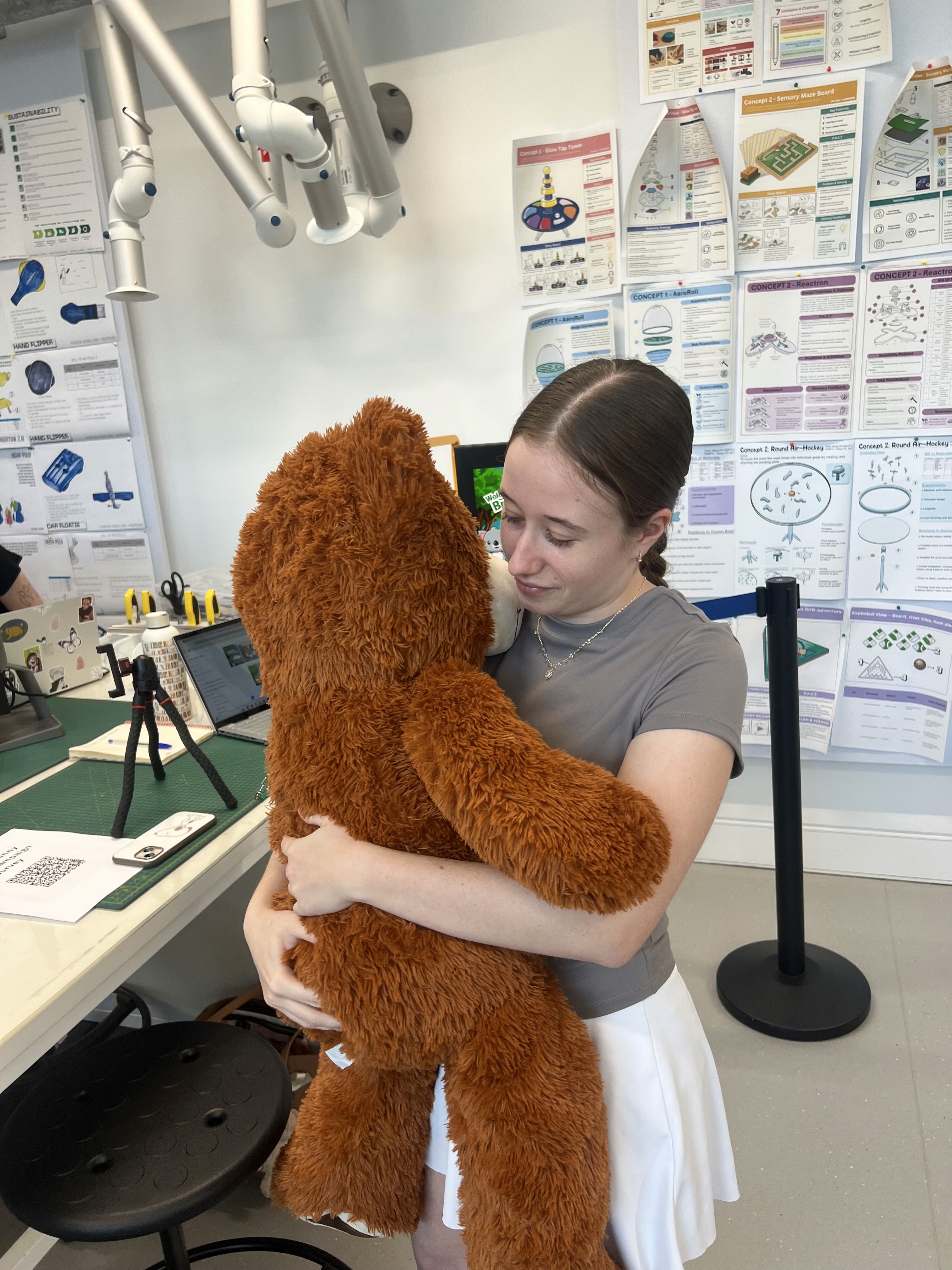
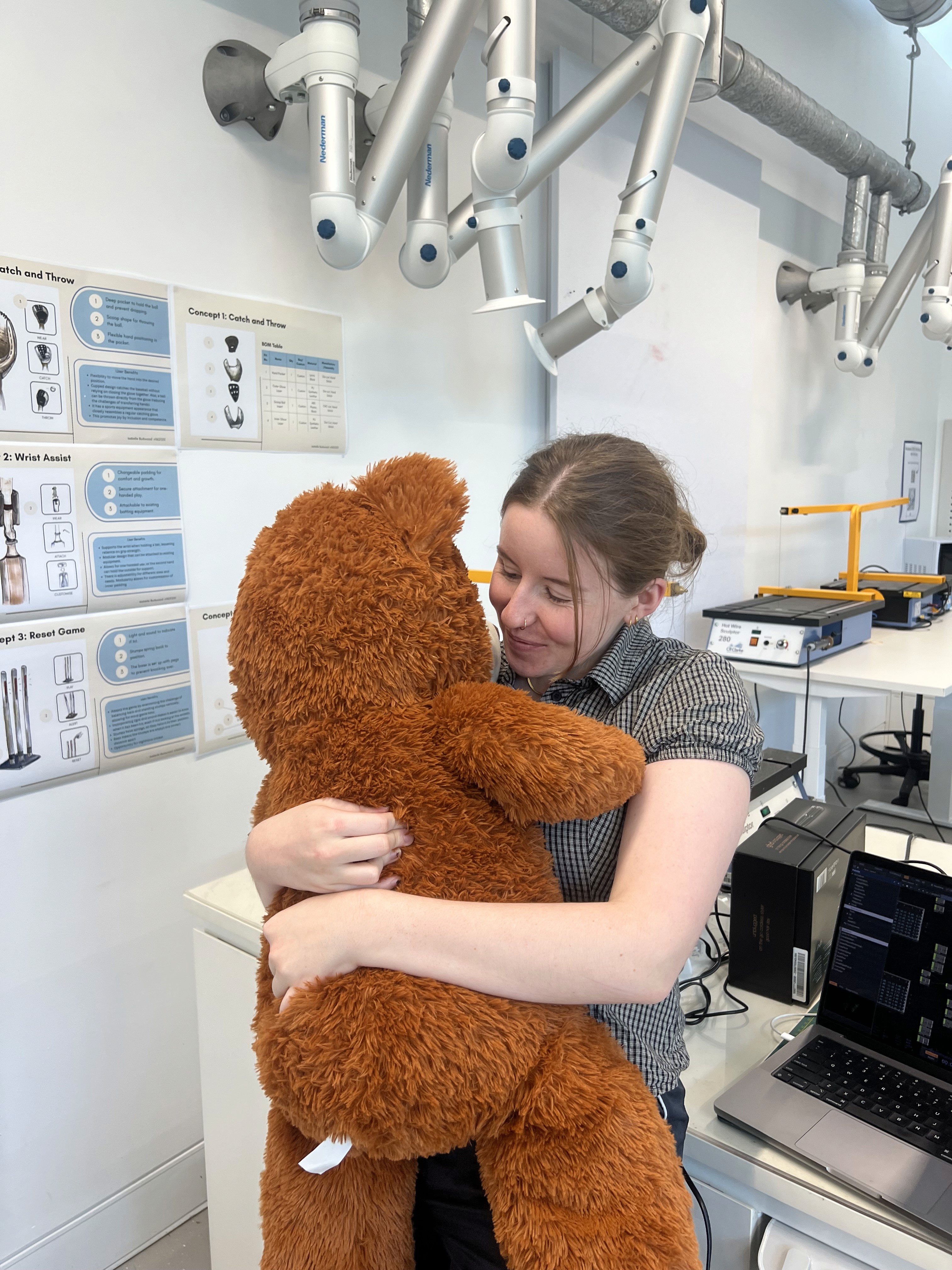
Photos from showcase where all users where shocked and impressed: